
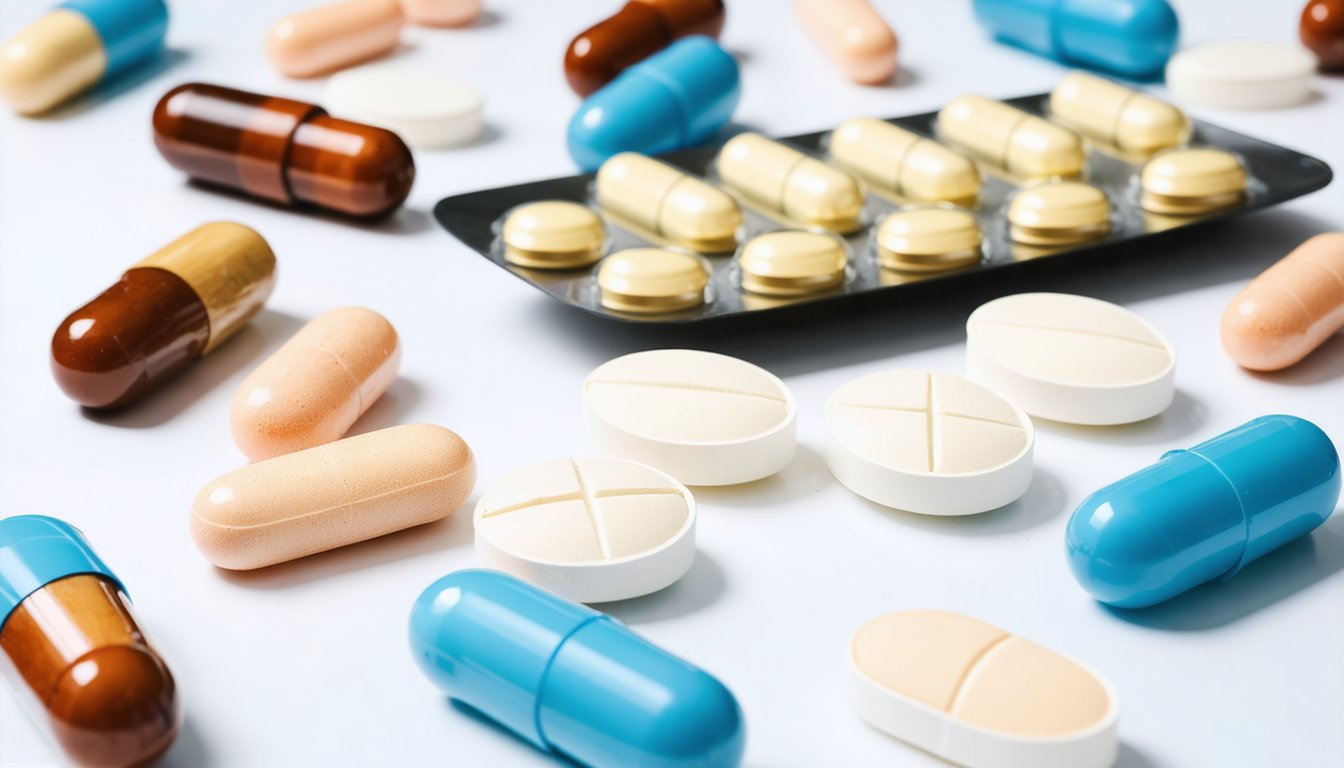
Men’s sexual health supplements — answers to the main questions
Disclaimer: This article is for educational purposes only and does not replace professional medical advice, diagnosis, or treatment. Always consult a qualified healthcare provider before starting any supplement, especially if you have chronic conditions or take prescription medications.
Frequently asked questions (FAQ block at the beginning)
What are men’s sexual health supplements?
Men’s sexual health supplements are products marketed to support libido, erectile function, testosterone levels, stamina, or overall reproductive health. They often contain vitamins, minerals, herbal extracts, or amino acids. Unlike prescription medications, most are sold over the counter and regulated as dietary supplements.
Why do sexual performance issues happen?
Common causes include stress, fatigue, hormonal imbalance, cardiovascular disease, diabetes, obesity, smoking, alcohol use, and psychological factors. Erectile dysfunction (ED) can also be an early sign of heart disease. Relationship issues and anxiety may further affect performance.
How can I recognize that I might need medical evaluation?
Warning signs include persistent difficulty achieving or maintaining an erection, low sexual desire lasting several months, premature ejaculation, pain, or sudden changes in function. If symptoms are frequent or worsening, a medical check-up is recommended.
Are sexual health supplements safe?
Not all supplements are equally safe. Some may interact with medications such as nitrates or blood pressure drugs. Certain products have been found to contain undeclared pharmaceutical ingredients. Choosing reputable brands and consulting a doctor reduces risk.
Do testosterone boosters really work?
Evidence for over-the-counter “testosterone boosters” is limited. True low testosterone (hypogonadism) requires laboratory testing and medical supervision. Lifestyle changes often improve hormone balance more effectively than unverified supplements.
Can supplements cure erectile dysfunction?
Supplements cannot “cure” ED, especially if the cause is vascular, neurological, or hormonal. Some ingredients like L-arginine or ginseng have limited supportive evidence, but results vary. Proper diagnosis is key to effective treatment.
What natural ingredients are commonly used?
Common ingredients include ginseng, maca, tribulus terrestris, zinc, vitamin D, L-arginine, and horny goat weed (epimedium). Research quality differs between ingredients. “Natural” does not automatically mean safe or effective.
When should I see a doctor instead of using supplements?
Seek medical advice if ED is sudden, accompanied by chest pain, shortness of breath, or occurs in men with diabetes or heart disease. Also consult a professional if you experience depression, infertility concerns, or symptoms of low testosterone.
Are there dangers in buying supplements online?
Yes. Some online products contain hidden prescription drugs or incorrect dosages. Regulatory agencies have issued warnings about adulterated sexual enhancement pills. Always purchase from reputable sources.
Is it possible to improve sexual health without supplements?
Yes. Regular exercise, balanced nutrition, weight management, good sleep, quitting smoking, and stress reduction significantly improve sexual function. Managing chronic diseases is equally important.
Do supplements interact with heart or blood pressure medications?
They can. Some herbal products may lower blood pressure or interact with nitrates, increasing the risk of dangerous drops in blood pressure. Always inform your doctor about any supplement use.
Are these products regulated?
In many countries, supplements are regulated differently from prescription drugs. They are not required to prove effectiveness before marketing. Oversight focuses mainly on safety and labeling, which varies by region.
Detailed breakdown
1. Understanding the root causes of male sexual dysfunction
Sexual health concerns often reflect broader health conditions. Erectile dysfunction, reduced libido, and performance anxiety may stem from cardiovascular disease, metabolic disorders, hormonal imbalance, or mental health issues. According to major cardiology associations, ED can be an early marker of vascular problems.
Before considering men’s sexual health supplements, addressing underlying conditions is essential. In our WartaEdukasi section, we discuss how lifestyle factors influence men’s reproductive health.
2. Common ingredients and what science says
L-arginine is an amino acid involved in nitric oxide production, which helps blood vessel dilation. Some small studies show modest benefit, but results are inconsistent.
Panax ginseng has limited evidence suggesting improvement in mild ED, though quality varies.
Zinc and vitamin D may support hormonal balance in men with deficiencies.
Other herbal blends lack strong clinical backing. Always evaluate claims critically and check for evidence from peer-reviewed trials.
3. Safety, regulation, and hidden risks
Regulatory agencies such as the U.S. Food and Drug Administration (FDA) and the European Medicines Agency (EMA) have issued warnings about adulterated sexual enhancement supplements. Some products were found to contain sildenafil-like substances without disclosure.
Men with heart disease, diabetes, or those taking nitrates face higher risks from unverified products. Read more policy-related discussions in our WartaHukum coverage on supplement regulations.
4. Psychological and social dimensions
Sexual performance concerns often involve stress, relationship strain, or anxiety. Psychological counseling, stress management, and open communication with partners can significantly improve outcomes.
Community awareness and public health education, as highlighted in WartaSosial, help reduce stigma around men seeking medical support.
5. Lifestyle medicine vs. quick fixes
Exercise improves blood flow and testosterone levels naturally. A Mediterranean-style diet supports cardiovascular health, directly influencing erectile function. Adequate sleep and weight control further stabilize hormone levels.
Supplements may play a supportive role in specific deficiency cases, but they should not replace medical evaluation or healthy living.
Checklist: what you can do today
- Schedule a general health check-up if symptoms persist.
- Monitor blood pressure, blood sugar, and cholesterol levels.
- Engage in at least 150 minutes of moderate exercise weekly.
- Adopt a heart-healthy diet rich in vegetables, fruits, and whole grains.
- Limit alcohol consumption and quit smoking.
- Improve sleep quality (7–9 hours nightly).
- Manage stress through relaxation techniques or counseling.
- Discuss openly with your partner to reduce anxiety.
- Verify supplement brands through regulatory warnings.
- Inform your doctor about all medications and supplements you use.
When to seek urgent help
| Symptom / Situation | Urgency Level | Where to Seek Help |
|---|---|---|
| Chest pain during sexual activity | Emergency | Emergency department immediately |
| Sudden erectile dysfunction with diabetes or heart disease | High | Primary care physician or cardiologist |
| Persistent low libido (>3 months) | Moderate | Primary care doctor or endocrinologist |
| Suspected supplement side effects | Moderate to High | Doctor or local poison control center |
| Mild, occasional performance issues | Low | Routine medical consultation |
Sources
- U.S. Food and Drug Administration (FDA) – Tainted Sexual Enhancement Products Warning List.
- National Institutes of Health (NIH) Office of Dietary Supplements – Dietary Supplement Fact Sheets.
- American Urological Association (AUA) – Erectile Dysfunction Guidelines.
- European Association of Urology (EAU) – Guidelines on Sexual and Reproductive Health.
- World Health Organization (WHO) – Sexual health and well-being resources.
- American Heart Association (AHA) – Cardiovascular disease and erectile dysfunction information.